Library for librarians
Digitise Theses and Past Papers with a Cited Librarian
Your university's best research is often on a shelf nobody visits. Library makes it searchable, citable and useful again.
The hidden collection problem
Most universities hold decades of their own scholarship. Master's and doctoral theses, past exam papers, departmental journals and conference proceedings sit in store rooms or in scanned files that nobody can search. Many older theses are typed. Some are handwritten. Few are online.
This matters. Students repeat research that was already done down the corridor. Supervisors cannot easily point to earlier work. Examiners cannot check how a question was set five years ago. The university's own record of knowledge stays invisible, even to its own staff.
Library is built to bring that collection back into use. It digitises what you hold, makes it searchable and answers questions from it with clear citations. It works alongside your existing catalogue rather than replacing it.
Digitising typed and handwritten theses
Library digitises typed and handwritten theses. Library staff scan the pages, and Library turns them into searchable text. The original page images are kept, so a reader can always check the source.
No digitisation is perfect, especially with old typewriters and handwriting. That is why Library includes a correction editor. Library staff, or the author where they are available, can fix errors line by line. Corrections are recorded, so you can see what changed and who changed it.
When a thesis is ready, staff publish it to the collection. The university decides what is public, what is internal and what stays restricted. Access follows the roles set in the admin console, so a restricted thesis is only shown to the people allowed to see it.
Plan digitisation in batches. Start with the theses people ask for most, or with one faculty whose collection is in good order. Agree a simple check for each batch: a member of staff reads a sample of pages against the scans before the batch is published. That keeps quality high without slowing the whole project.
| Step | Who does it | Result |
|---|---|---|
| Scan pages | Library staff | Page images stored |
| Digitise text | Library | Searchable draft text |
| Correct errors | Library staff or author | Checked text with change record |
| Publish | Library staff | Item added with access rules |
| Ask and cite | Students and researchers | Answers with page citations |
A research librarian that cites its sources
Library includes a cited research librarian. A student or researcher asks a question in plain language. The librarian answers from your university's own theses, past papers and journals. Every answer cites its sources, with links to the exact document and page.
This is an Ai enabled assistant, but it is designed to send people to the sources rather than replace them. A student asking about previous work on water quality in a local river gets a short answer and a list of the theses that cover it. They then read those theses.
- Answers drawn from your university's own collection
- Citations to document and page on every answer
- Works across theses, past papers and journals
- Respects access rules for restricted material
Because answers are tied to sources, librarians can trust what students are being told. If an answer looks wrong, the citation shows exactly which page it came from, and staff can fix the text in the correction editor. The next answer then draws on the corrected version.
Reading lists and past papers for teaching
Lecturers can build reading lists in Library and share them with students. Lists can mix your own theses and journals with the items you already hold. Students reach them with the same Oxonia Academy ID they use for lectures and results.
Past papers are just as useful. Students can revise from real past papers, ask the librarian how a topic has been examined and follow the citations. Examiners can check how similar questions were set before. This is why Library comes free with Mark University plans.
Reading lists can be shared into Moodle, Canvas or Blackboard course pages through the platform's LMS links, so students find them where they already look. Lecturers can update a list during the term, and students see the change straight away.
Supporting research and doctoral students
Doctoral students need to know what has been done before. Library gives them a searchable view of the theses written in their own department, often on local topics that never reach international databases. Supervisors can point to earlier work quickly.
Library works with Research, the research office product. Publications recorded in Research can link to items in Library, and published theses become part of the university's research record. Together, the two products make up Oxonia Discover.
Supervisors find this useful at the start of a doctorate, when a student is shaping a question. A quick search across the department's earlier theses shows what has been done, which methods were used and where the gaps are. It also helps new staff learn the history of their department's research.
Languages and access
Library interfaces are available in English, French, Portuguese and Arabic. A thesis written in French can sit in the same collection as one written in English, and both can be searched.
Access follows roles. Students, researchers, lecturers and library staff each see what their role allows. Library staff manage the collection, approve corrections and decide what is published. Nothing is added to the official collection until a person publishes it.
Librarians can also see which items are used most and which questions students ask. That helps decide what to digitise next and where students need more guidance on finding sources.
Prices and how to start
Library costs £6,000 a year for up to 5,000 students, £9,000 for 5,000 to 15,000 and £14,000 for 15,000 to 40,000. Larger universities get a quote. Library is free with Mark University plans.
Many libraries start with a single collection, such as one faculty's doctoral theses, and grow from there. Library is part of Oxonia Discover, Oxonia Teach and Oxonia Learn. See pricing for package savings.
Products in this article
Questions people ask
Can Library digitise handwritten theses?
Yes. Library digitises typed and handwritten theses and includes a correction editor so staff can fix errors before publishing.
Where do the librarian's answers come from?
From your university's own theses, past papers and journals. Every answer cites its sources.
Is Library included with Mark?
Yes. Library is free with Mark University plans.
How much does Library cost?
Library costs £6,000 a year for up to 5,000 students, £9,000 for 5,000 to 15,000 and £14,000 for 15,000 to 40,000.
Leaflets


More videos
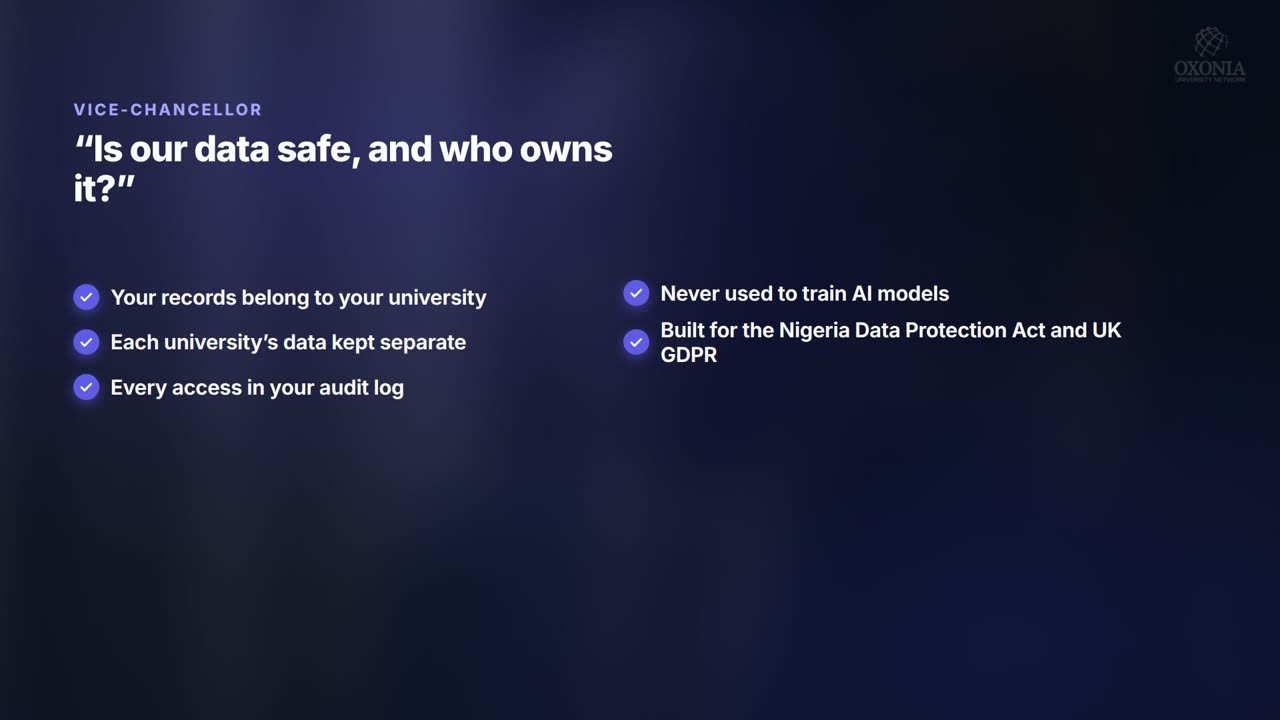 1:34Conference film · Chapter 10Your questions answered
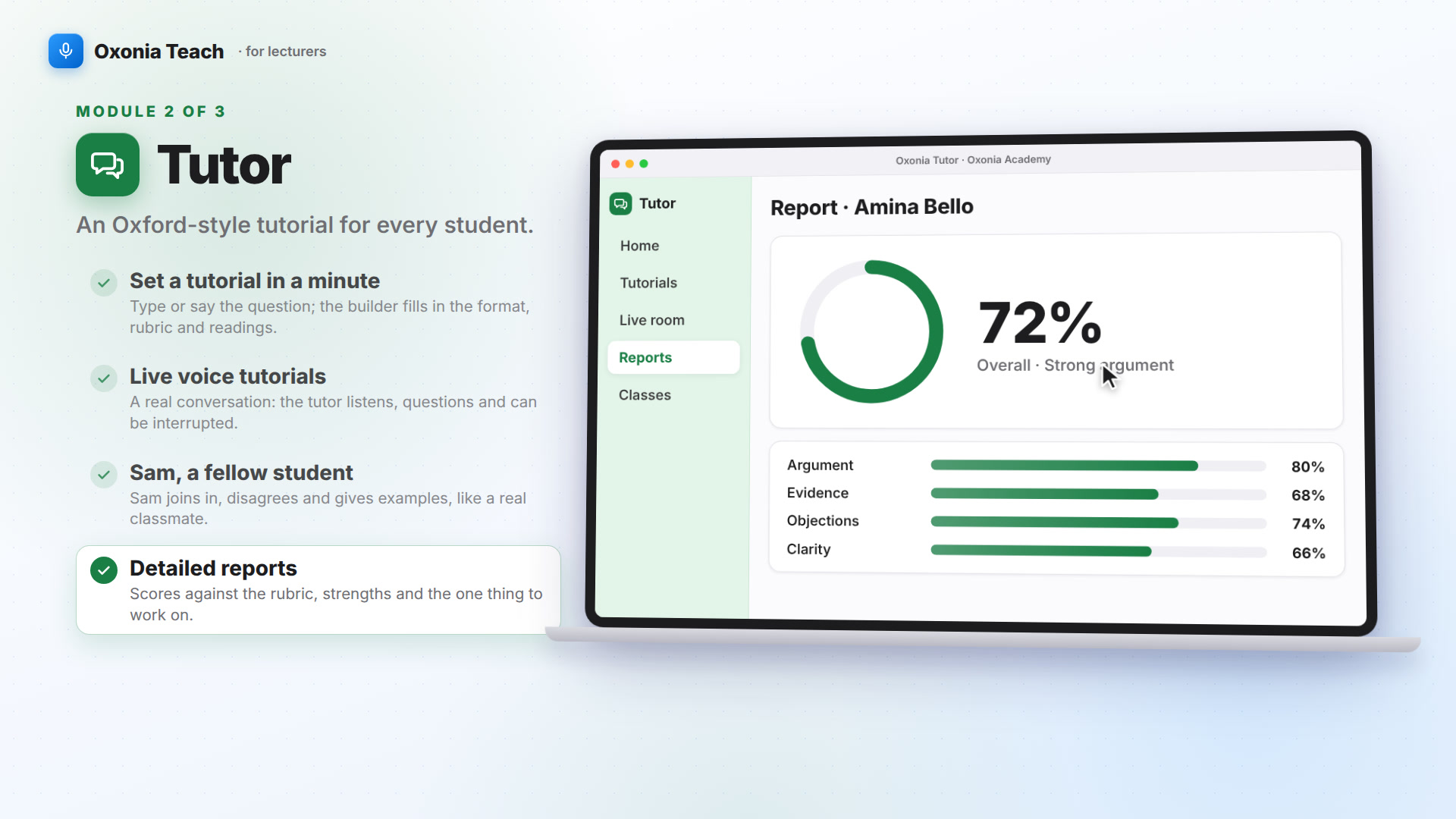 1:39Suite filmOxonia Teach in 100 seconds
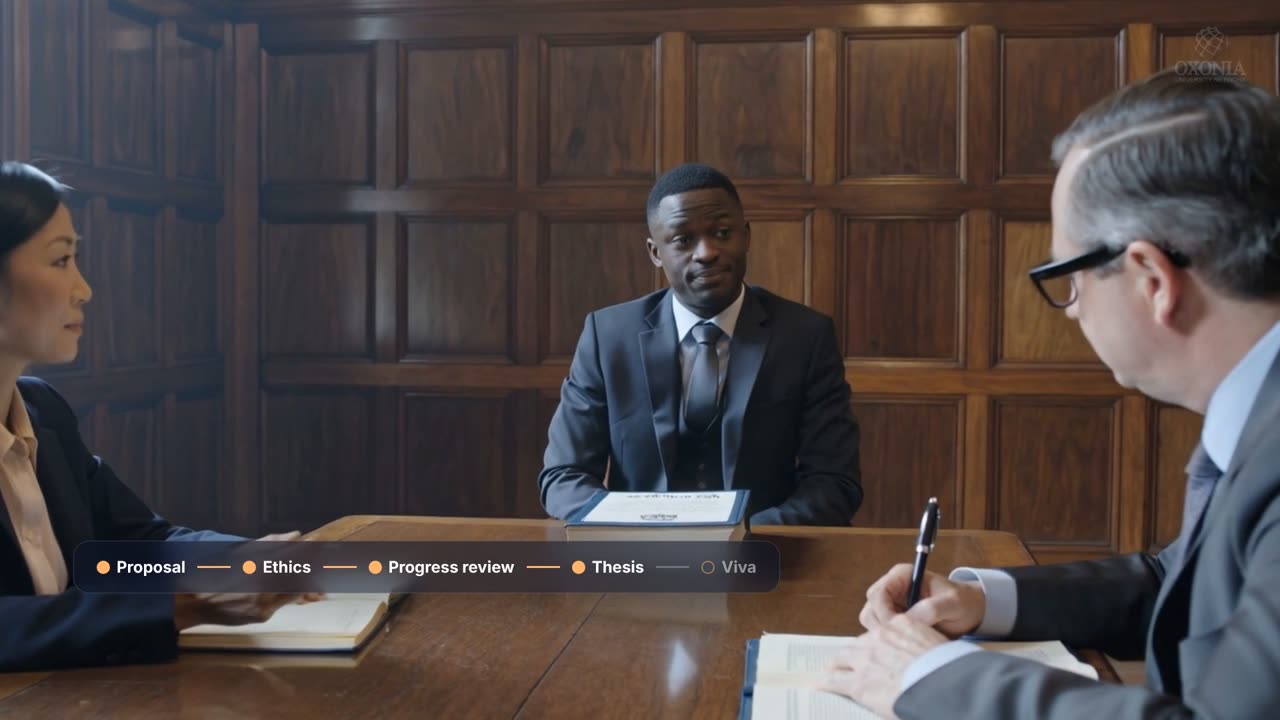 0:56Conference film · Chapter 8Discover: Research and Nexus
Keep reading