Suite guide
Oxonia Discover: Library and Research Office in One
Research starts with what is already known and ends with a published output. Oxonia Discover supports both ends and everything in between.
Who Oxonia Discover is for
Oxonia Discover is the suite for research. It serves researchers, doctoral students, supervisors, the research office and librarians. These groups often work with separate systems, and the links between them are made by hand.
A doctoral student searches the library but logs supervision in a Word file. A researcher sees a funding call in an email but starts the bid in a spreadsheet. The research office builds its annual report by asking everyone for updates. The library holds decades of theses that the research office never sees.
Discover brings two products onto one platform with one Oxonia Academy ID: Library and Research.
Library: your own research, made searchable
Library digitises typed and handwritten theses, with a correction editor and publishing controls. It holds past papers and journals too. Its cited research librarian answers questions from the university's own collection and cites the document and page every time.
Lecturers use Library for reading lists. Students use it for revision and research. Librarians manage the collection and decide what is published and who can see it. Every answer is Ai enabled and every answer points back to its sources.
For many universities, the most valuable part is local knowledge. Theses on local health, law, farming, language and history rarely appear in international databases. Library makes them visible to the people who need them.
Librarians keep full control. They decide which items are digitised, check the text with the correction editor, publish the item and set who may see it. Restricted theses stay restricted. Every change is recorded, so the collection can be trusted as an official record of the university's work.
Research: the research office's daily work
Research matches funding calls to staff, runs grant bids through the internal approval chain and manages ethics applications and committee decisions. Funded bids become projects with budgets. Doctoral supervision logs and progress reviews are kept in one place. Publications are recorded with ORCID and open access status.
The research dashboard shows the whole picture: calls, bids, ethics, projects, supervision and outputs. Research office staff no longer need to chase updates for every report.
Bids follow the university's internal approval chain, so heads of department, faculty leads and finance each sign off in turn. Ethics committees review and decide within the same system. Doctoral students and supervisors log meetings and agree actions in a shared record. The research office sees everything without having to ask for it.
How the two work together
The suite works best as one system. A doctoral student searches earlier theses in Library before setting their topic. Their supervision is logged in Research. When they finish, their thesis is published in Library and recorded as an output in Research.
- Researchers find earlier local work before they bid
- Ethics decisions attach to the projects they approve
- Completed theses move from supervision to the collection
- Publications and theses feed the research dashboard
- One login and one set of roles across both products
The platform rules apply throughout. People approve anything that becomes an official record. Every Ai enabled answer cites its sources. Access follows the roles the university sets.
The link also works the other way. When a researcher prepares a bid, they can search Library to show what the university has already done in the area. That makes the case for funding stronger and helps avoid duplicating earlier work.
| Role | Main tools |
|---|---|
| Researcher | Funding calls, grant bids, ethics, publications |
| Doctoral student | Library search, supervision log, progress reviews |
| Supervisor | Supervision log, progress reviews |
| Research office | Approvals, projects and budgets, research dashboard |
| Librarian | Digitising, correction editor, publishing, reading lists |
What leaders and quality teams gain
Leaders want to know how research is going against the strategic plan. If the university also uses Compass, research figures appear on the leadership dashboard next to teaching, finance and governance, with targets and owners.
Quality and accreditation teams need evidence of research activity and supervision. Nexus keeps verified staff records and prepares regulator returns. Research data helps fill those returns with figures that have a clear source.
Committees that oversee research, including ethics committees, can run their meetings through Senate.
Every figure on these dashboards links back to its source record, so a dean can check where a number came from before quoting it.
Getting started
Many universities start with one of two routes. Libraries often start by digitising one faculty's doctoral theses. Research offices often start with one faculty's funding calls and bids. Both make a sensible first step for a single department.
Research also has a Department plan at £5,000 a year, which suits a research institute or a single faculty. When you are ready, move to a University plan and buy the full suite.
Whichever route you choose, agree early who owns the work. Usually that is the university librarian for Library and the director of research for Research. Set a short list of things the first phase should show, such as the number of theses digitised or the number of bids that went through the approval chain. Review the results with leaders at the end of that phase before deciding on a wider roll-out.
Prices
The Discover package costs £20,000 a year for a university with 5,000 to 15,000 students. That is 20% off buying Library and Research separately. Three-year contracts take a further 10% off. Universities in Nigeria pay 35% of the UK price, billed in naira.
If you also use Mark, note that Library is free with Mark University plans. See our package guide or go to pricing.
Universities that want everything can choose Oxonia Complete, which takes 30% off the full set of products. Discover is often the first step for universities that see research as their main priority, with Teach and Lead added later.
Products in this article
Questions people ask
What is in Oxonia Discover?
Oxonia Discover includes Library and Research, for researchers, doctoral students, supervisors, research offices and librarians.
How much does Oxonia Discover cost?
For a university with 5,000 to 15,000 students, the Discover package costs £20,000 a year.
Can a research institute start on its own?
Yes. Research has a Department plan at £5,000 a year.
Leaflets


More videos
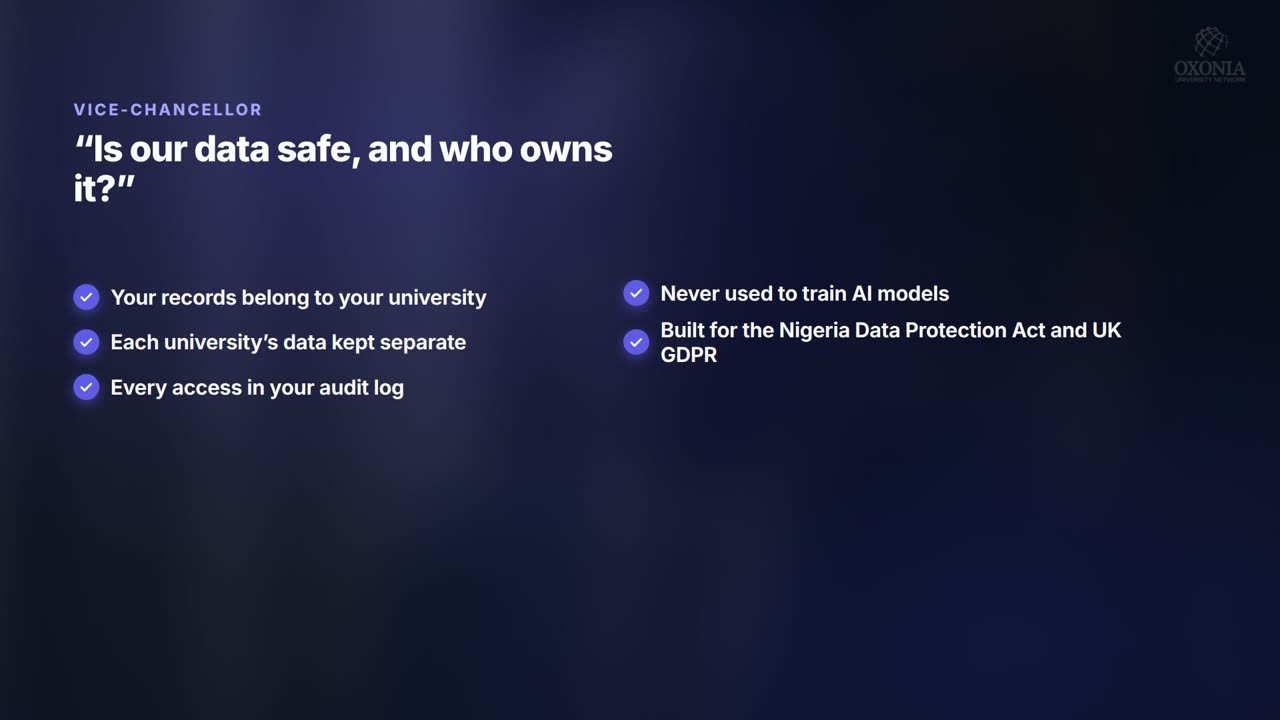 1:34Conference film · Chapter 10Your questions answered
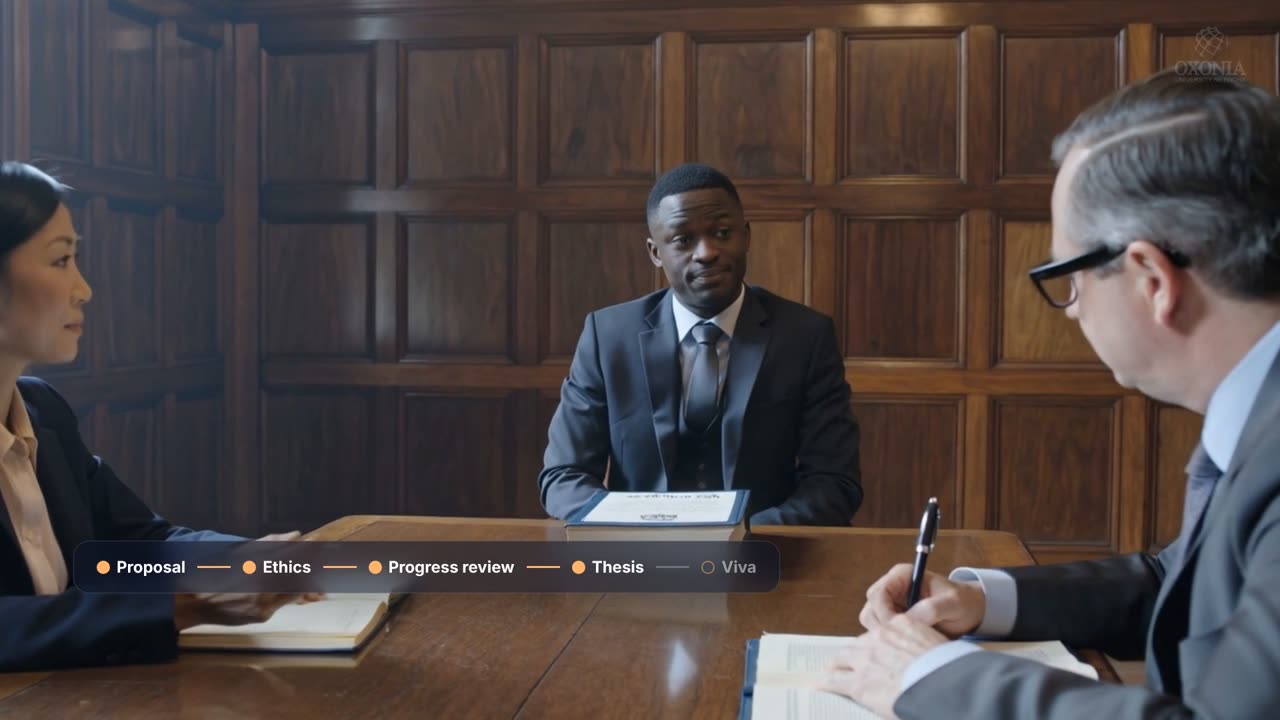 0:56Conference film · Chapter 8Discover: Research and Nexus
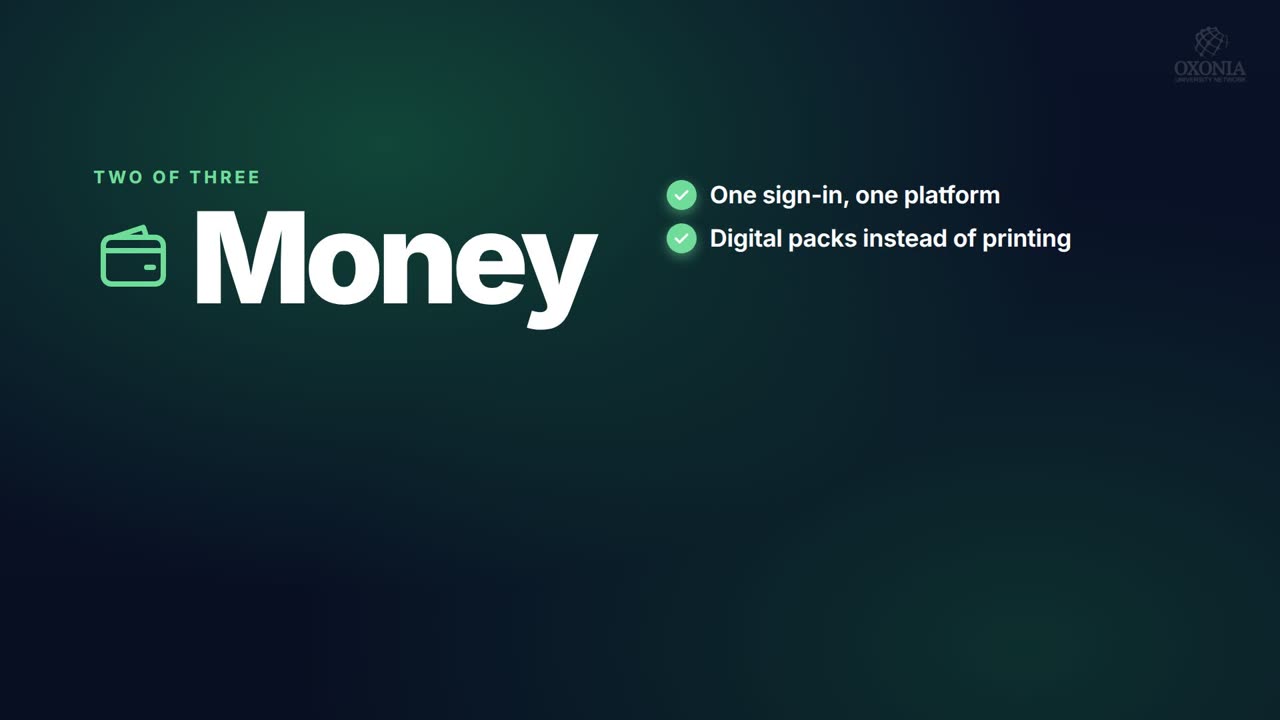 0:54Conference film · Chapter 9Time, money and income
Keep reading